Standardized Conditions
Testing is completed under applicable conditions such as defined temperature, humidity, contact time, pressure, or wash cycles according to the tested item.

Arc-Chill connects contact-cooling measurements with additional dimensions such as heat transfer, moisture movement, durability, and skin-contact comfort. The relevant combination is selected and validated for each application.
A laboratory test matrix for evaluating cooling and supporting material parameters.
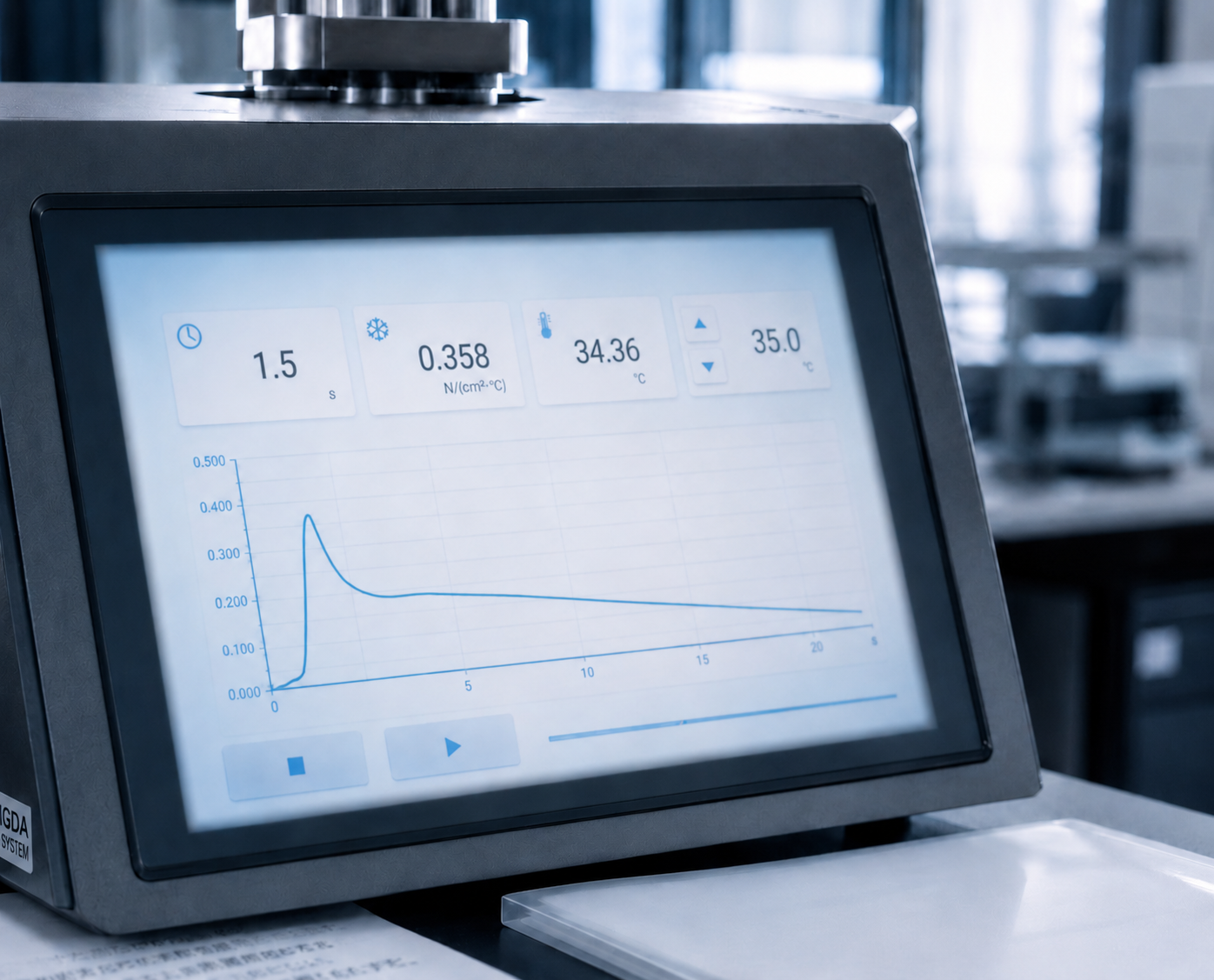
Measures the contact heat-transfer response qmax at the start of fabric-to-skin contact.
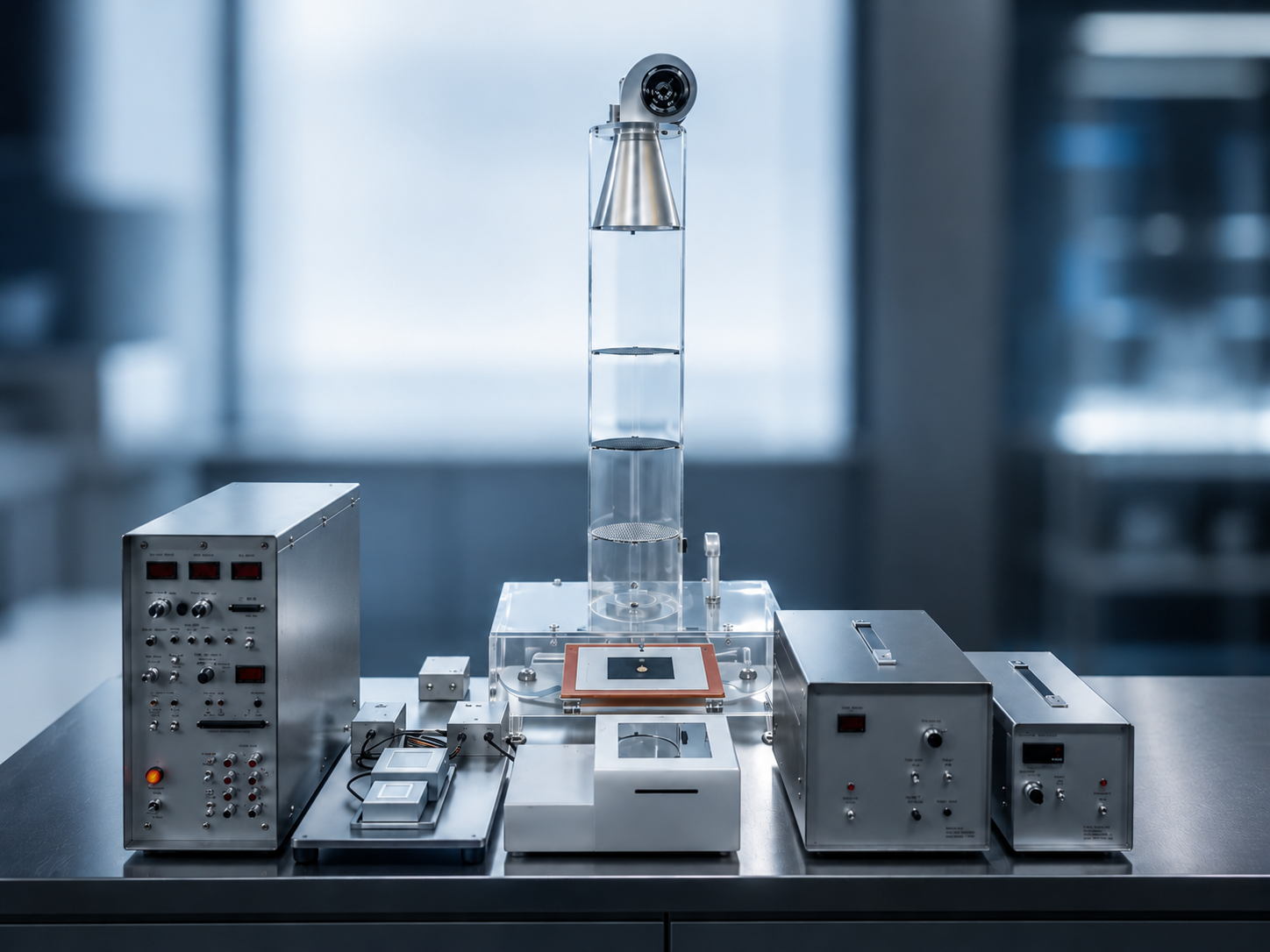
Analyzes long-term heat transfer behavior and physical cooling properties under controlled states.
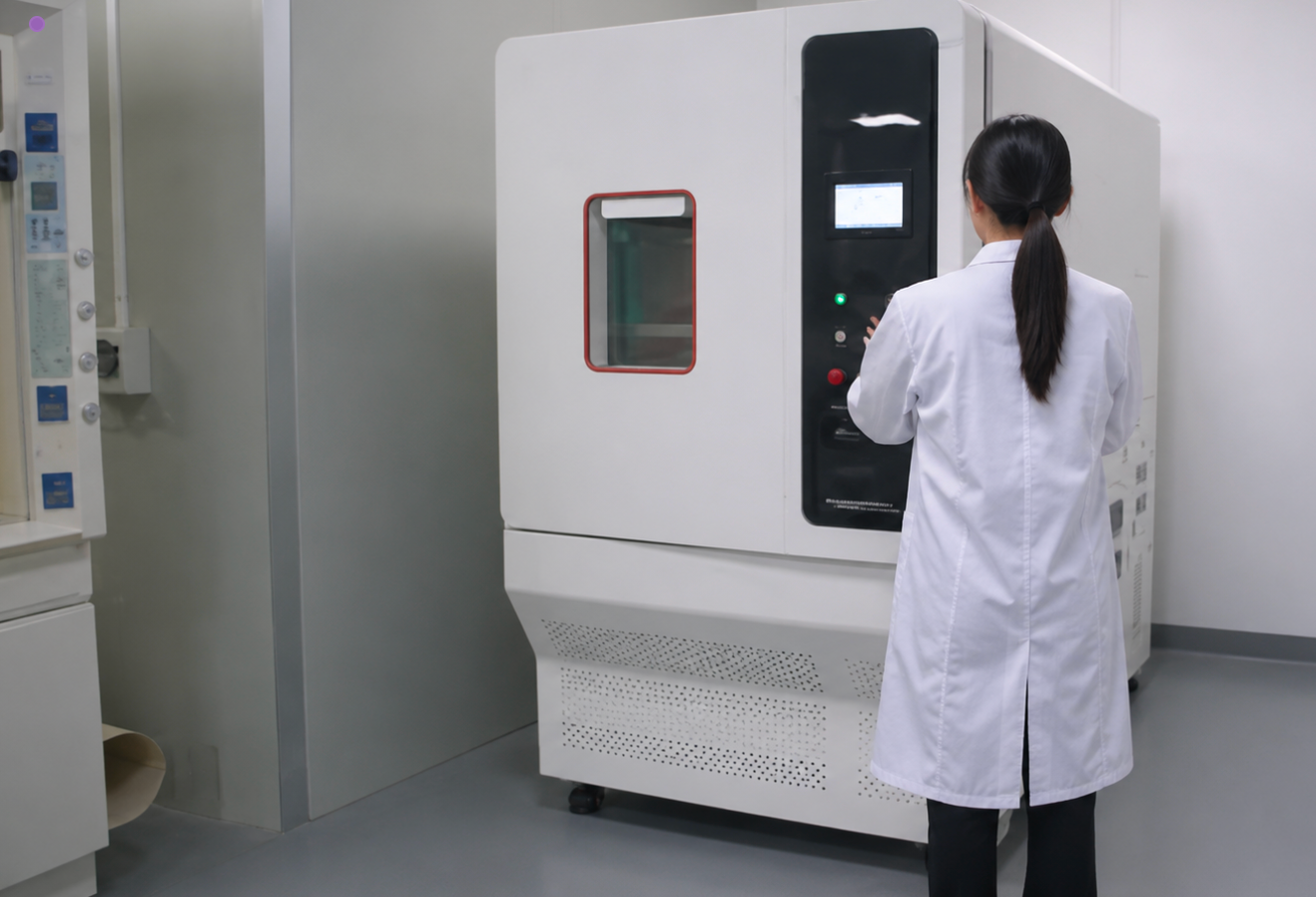
Conducted within stabilized environmental chambers to observe material endurance under prolonged warm scenarios.
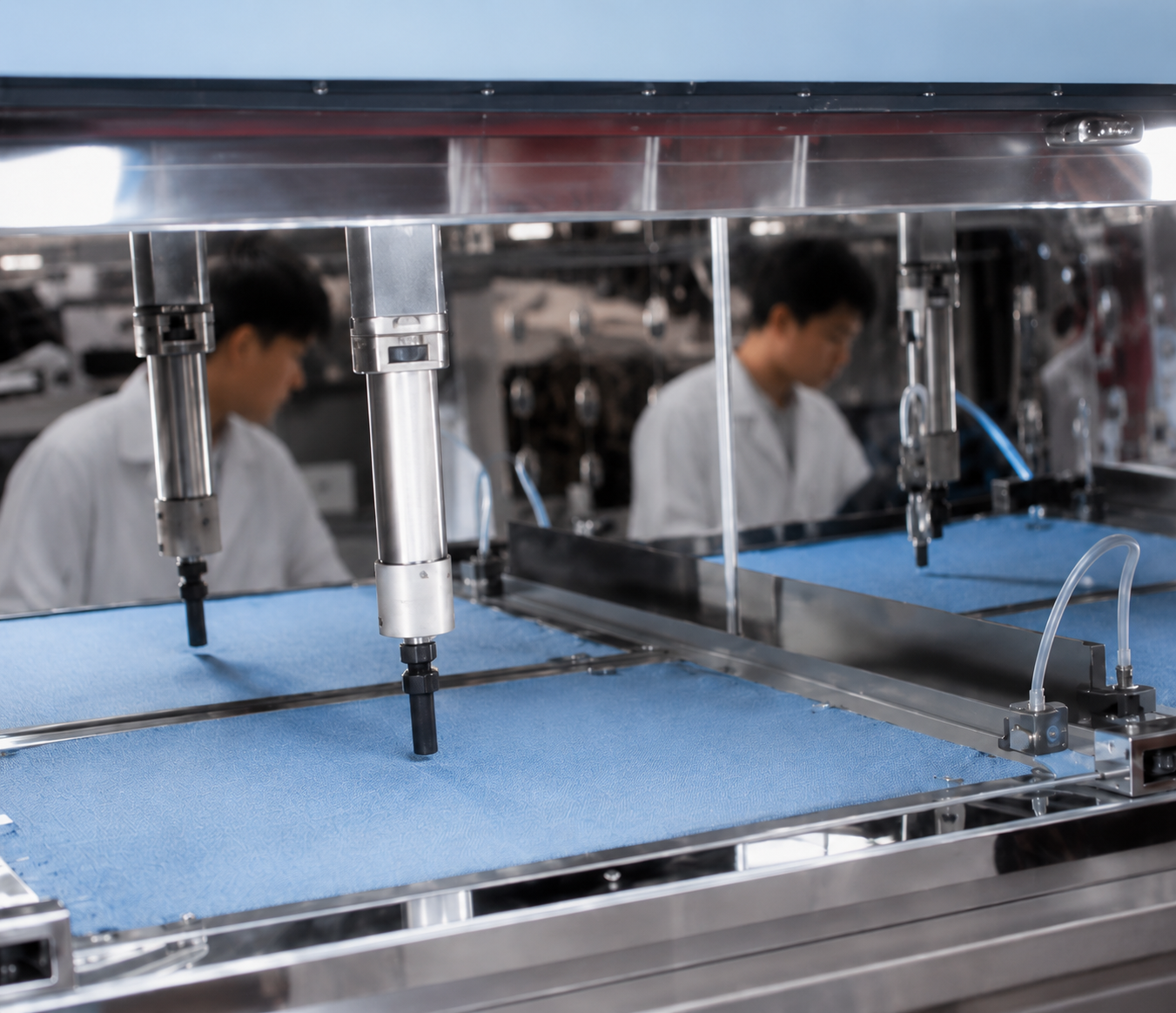
Assesses vapor transmission, directional moisture movement, and the active skin-to-fabric air gap.
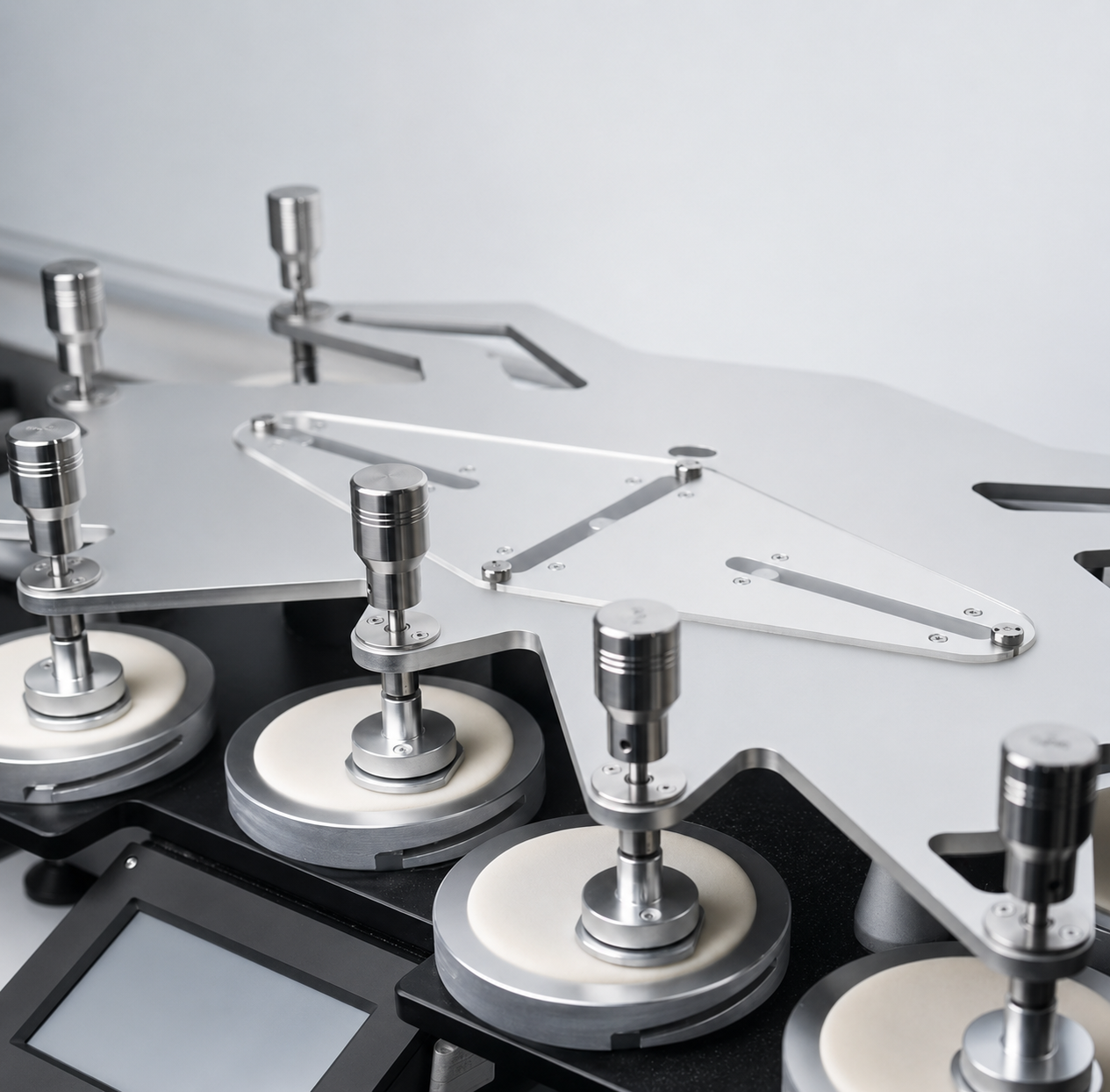
Repeated abrasion and care-condition profiling is used to observe surface stability, structural retention, and long-term performance trends.
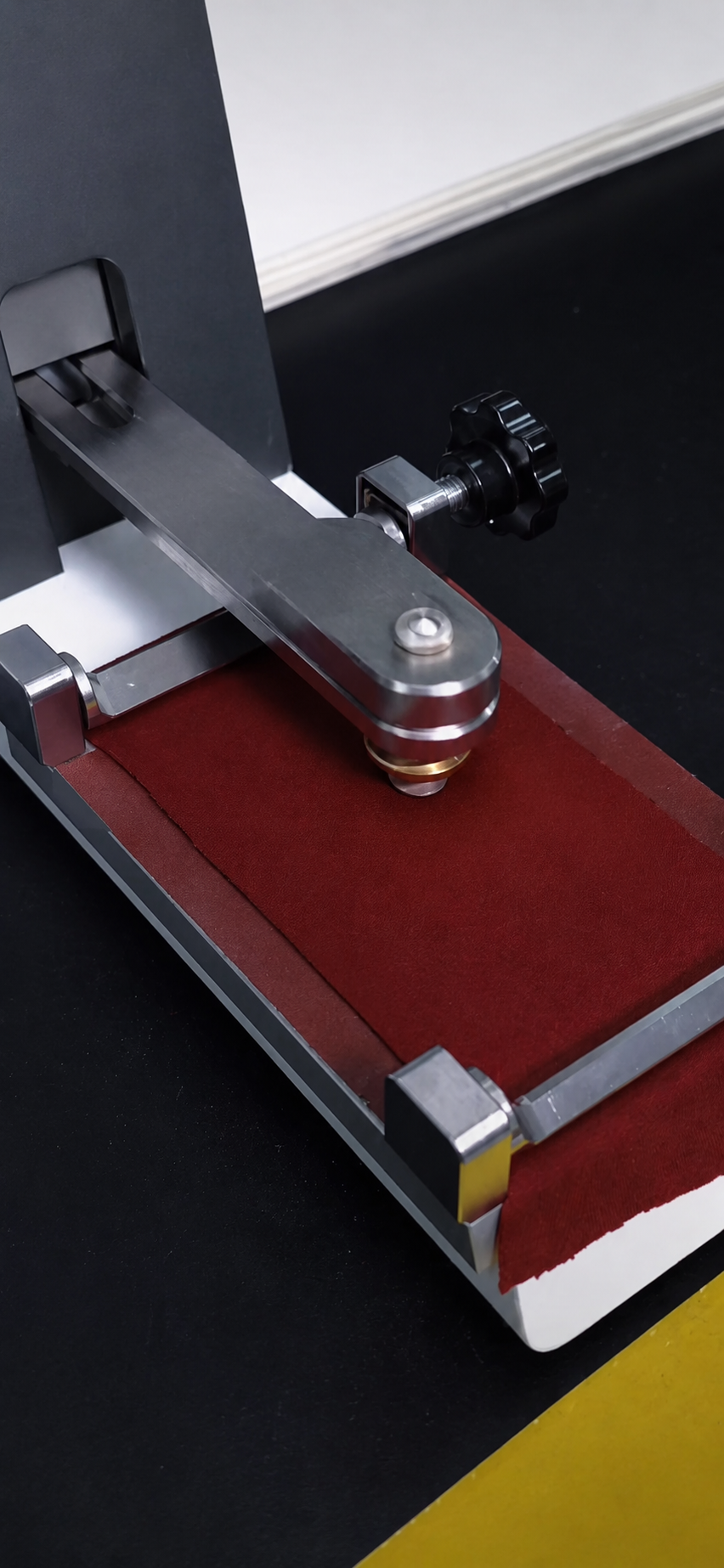
Evaluates color transfer and pigment retention under defined wet and dry rubbing cycles.
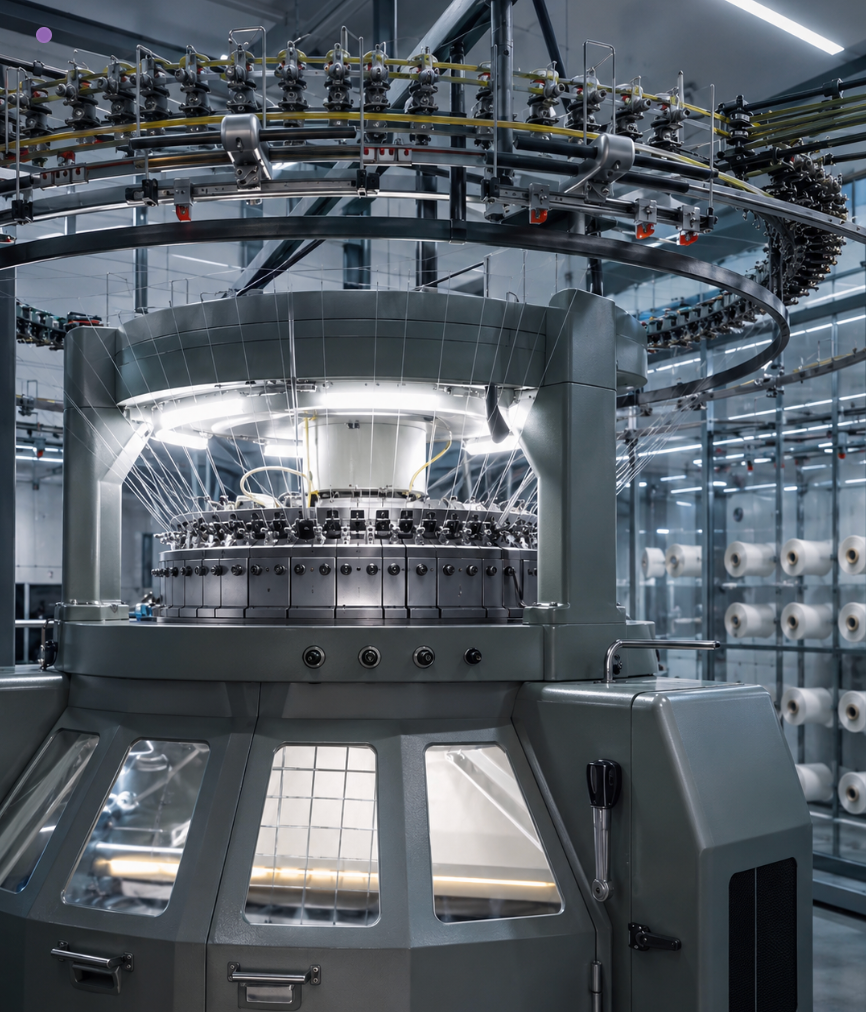
Controlled testing conditions for standardized material evaluation and repeatable performance validation.
Specialized lab reports, validation data, and customized parameter deployments are fully disclosed to authorized partners during the licensing process.
Laboratory telemetry is mapped to application environments through controlled records and partner-specific validation packages.
VALIDATION PATH
Arc-Chill connects each performance statement to applicable test methods, reproducible testing conditions, and traceable measurement records.
Testing is completed under applicable conditions such as defined temperature, humidity, contact time, pressure, or wash cycles according to the tested item.
Relevant indicators are selected from multiple performance dimensions based on the application scenario, without implying every product must test every item.
Sample information, instrument settings, test conditions, and results are documented so each performance statement can be traced back to its measurement basis.
When materials, construction, finishing, or process conditions change, relevant tests are repeated to confirm the measurement basis remains valid.